

How to maintain the forging accuracy consistency of Quick Forging Machines?
Jun 13, 2025
Maintaining the forging accuracy consistency of Quick Forging Machines is crucial for any manufacturer aiming to produce high - quality forged parts. As a supplier of Quick Forging Machines, I've seen firsthand how achieving and sustaining this consistency can be a game - changer for businesses in the forging industry.
Understanding the Basics of Forging Accuracy
Before diving into how to maintain accuracy consistency, it's important to understand what forging accuracy means. Forging accuracy refers to how closely the final forged part matches its intended design specifications. This includes dimensions, shape, and surface finish. In the context of Quick Forging Machines, which are known for their high - speed operation, maintaining this accuracy becomes even more challenging due to the rapid nature of the forging process.
Factors Affecting Forging Accuracy Consistency
Machine Wear and Tear
One of the most significant factors is machine wear and tear. Quick Forging Machines operate at high speeds, which means that components such as dies, hammers, and hydraulic systems are subject to a lot of stress. Over time, this can lead to wear on these parts, which in turn affects the forging accuracy. For example, a worn - out die may not be able to shape the workpiece precisely as intended, resulting in parts that deviate from the design specifications.
Material Variability
The quality and properties of the raw materials used in forging can also have a big impact on accuracy consistency. Different batches of the same material may have slight variations in composition, hardness, and ductility. These differences can cause the forging process to behave differently, leading to inconsistencies in the final parts. For instance, a harder material may require more force to forge, and if the machine is not adjusted accordingly, it can result in under - forged or over - forged parts.
Operator Skill
The skill level of the machine operator plays a vital role. A well - trained operator knows how to set up the machine correctly, adjust parameters based on the material and the part design, and detect and correct any issues that arise during the forging process. On the other hand, an inexperienced operator may make mistakes in setting up the machine, such as incorrect die alignment or improper control of the forging speed, which can lead to inconsistent forging accuracy.
Strategies for Maintaining Forging Accuracy Consistency
Regular Maintenance and Inspection
To combat machine wear and tear, regular maintenance and inspection are essential. This includes routine checks of all the key components of the Quick Forging Machine. For example, the dies should be inspected for signs of wear, and if necessary, replaced or re - surfaced. The hydraulic system should be checked for leaks and proper pressure levels. Lubrication of moving parts should also be carried out regularly to reduce friction and wear. By keeping the machine in good working condition, we can ensure that it operates consistently and produces accurate parts.
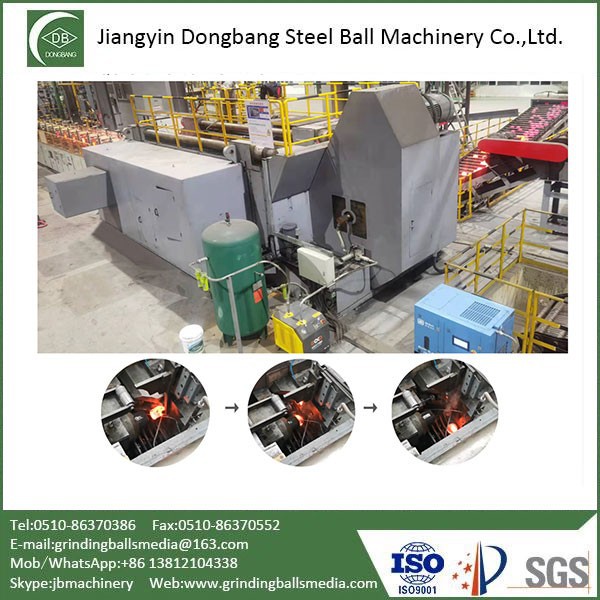

Material Testing and Selection
To deal with material variability, it's important to test the raw materials before using them in the forging process. This can involve chemical analysis, hardness testing, and other quality control measures. Based on the test results, the machine parameters can be adjusted to accommodate the specific properties of the material. Additionally, working with reliable material suppliers can help ensure a more consistent supply of high - quality materials.
Operator Training and Certification
Investing in operator training is a must. Operators should be trained on the proper operation of the Quick Forging Machine, including how to set up the machine for different parts, how to adjust the forging parameters, and how to troubleshoot common issues. Certification programs can also be implemented to ensure that operators have the necessary skills and knowledge. Regular refresher courses can keep operators up - to - date with the latest techniques and best practices in forging.
Advanced Monitoring and Control Systems
Modern High - Speed Forging Machine For Alloy Industries are often equipped with advanced monitoring and control systems. These systems can continuously monitor key parameters such as forging force, speed, and temperature. By collecting and analyzing this data, we can detect any deviations from the normal operating conditions and take corrective actions in real - time. For example, if the forging force is too high or too low, the system can automatically adjust the machine settings to ensure consistent forging accuracy.
Real - World Examples
Let me share a real - world example of how these strategies have been successful. One of our customers was facing issues with inconsistent forging accuracy in their production of alloy parts. After conducting a thorough analysis, we found that their machine was in need of maintenance, and their operators were not fully trained on the new forging techniques. We helped them set up a regular maintenance schedule, provided comprehensive operator training, and installed an advanced monitoring system on their Quick Forging Machine. As a result, they were able to significantly improve the forging accuracy consistency, reduce the number of defective parts, and increase their overall production efficiency.
Conclusion
Maintaining the forging accuracy consistency of Quick Forging Machines is a multi - faceted challenge that requires attention to machine maintenance, material quality, operator skill, and the use of advanced technology. By implementing the strategies outlined above, manufacturers can ensure that their Quick Forging Machines produce high - quality, consistent parts.
If you're in the forging industry and are looking to improve the forging accuracy consistency of your operations, I encourage you to reach out. We, as a supplier of Quick Forging Machines, have the expertise and the solutions to help you optimize your forging process. Whether it's through providing top - notch machines, maintenance services, or operator training, we're here to support you. Let's start a conversation about how we can work together to take your forging business to the next level.
References
- "Forging Technology Handbook" - A comprehensive guide on forging processes and technology.
- Industry reports on high - speed forging machine performance and accuracy.