

How to achieve automation for Quick Forging Machines?
Apr 21, 2026
In the dynamic landscape of manufacturing, the pursuit of efficiency and productivity is a never - ending journey. Quick Forging Machines have emerged as key players in numerous industries, enabling rapid and precise forging processes. As a supplier of Quick Forging Machines, I understand the significance of achieving automation in these machines to meet the growing demands of modern production. This blog post aims to explore the various aspects of automating Quick Forging Machines, including the benefits, steps to achieve automation, and challenges to overcome.
Benefits of Automating Quick Forging Machines
Automation in Quick Forging Machines brings a plethora of benefits that can significantly enhance the overall production process.
Improved Efficiency
Automation eliminates the need for manual intervention in repetitive tasks, such as material feeding, forging operations, and part ejection. This allows the machine to operate continuously without breaks, reducing cycle times and increasing the number of forgings produced per hour. For example, a fully automated Quick Forging Machine can perform complex forging operations with high precision and speed, ensuring consistent quality and output.
Enhanced Quality
Automated systems can precisely control the forging parameters, such as temperature, pressure, and stroke length, ensuring that each forging meets the exact specifications. This reduces the likelihood of defects and variations in the final product, leading to higher - quality forgings. Additionally, automation can incorporate in - process inspection systems to detect and correct any issues immediately, further improving the quality control process.
Safety
Forging processes can be dangerous due to high temperatures, heavy machinery, and flying debris. Automation reduces the need for human operators to be in close proximity to the forging area, minimizing the risk of accidents and injuries. Automated systems can also be equipped with safety features such as emergency stop buttons, light curtains, and interlocks to ensure a safe working environment.
Cost Savings
Although the initial investment in automation technology can be significant, the long - term cost savings are substantial. Automation reduces labor costs by minimizing the need for skilled operators. It also reduces material waste by optimizing the forging process, leading to lower material costs. Additionally, automated machines require less maintenance compared to manual machines, resulting in reduced downtime and maintenance expenses.
Steps to Achieve Automation for Quick Forging Machines
1. Process Analysis
The first step in automating a Quick Forging Machine is to conduct a thorough analysis of the existing forging process. This includes identifying the key steps, cycle times, and potential bottlenecks in the process. By understanding the current process, you can determine which tasks are suitable for automation and where improvements can be made. For example, if the material feeding process is time - consuming and prone to errors, it may be a good candidate for automation.
2. Selecting the Right Automation Technology
There are various automation technologies available for Quick Forging Machines, including robotics, conveyor systems, and programmable logic controllers (PLCs). When selecting the automation technology, consider factors such as the complexity of the forging process, the required level of precision, and the budget. For instance, if the forging process involves complex movements and high precision, robotics may be the best choice. Quick Forging Machines can be integrated with different automation technologies to achieve optimal performance.
3. Integration of Automation Systems
Once the automation technology has been selected, the next step is to integrate it with the Quick Forging Machine. This involves mechanical, electrical, and software integration. The mechanical integration ensures that the automation equipment is properly mounted and aligned with the machine. Electrical integration involves connecting the automation components, such as motors and sensors, to the machine's control system. Software integration involves programming the automation system to communicate with the forging machine and perform the required tasks.
4. Testing and Validation
After the automation system has been integrated, it is essential to conduct thorough testing and validation to ensure that it operates correctly. This includes testing the individual components, the overall system performance, and the safety features. During the testing phase, any issues or bugs can be identified and fixed before the machine is put into full - scale production.
5. Operator Training
Even with automation, operators still play a crucial role in the operation and maintenance of Quick Forging Machines. Therefore, it is important to provide comprehensive training to the operators on how to operate the automated system, monitor its performance, and troubleshoot any issues that may arise. Training can also help operators understand the benefits of automation and how it can improve their work efficiency.
Challenges in Automating Quick Forging Machines
Technical Complexity
Automating Quick Forging Machines involves dealing with complex mechanical, electrical, and software systems. Integrating different technologies and ensuring their compatibility can be a challenging task. For example, programming a robot to perform a specific forging operation requires a high level of technical expertise.
High Initial Investment
The cost of implementing automation technology in Quick Forging Machines can be prohibitive for some manufacturers. This includes the cost of purchasing the automation equipment, software development, and system integration. However, as mentioned earlier, the long - term benefits of automation can outweigh the initial investment.

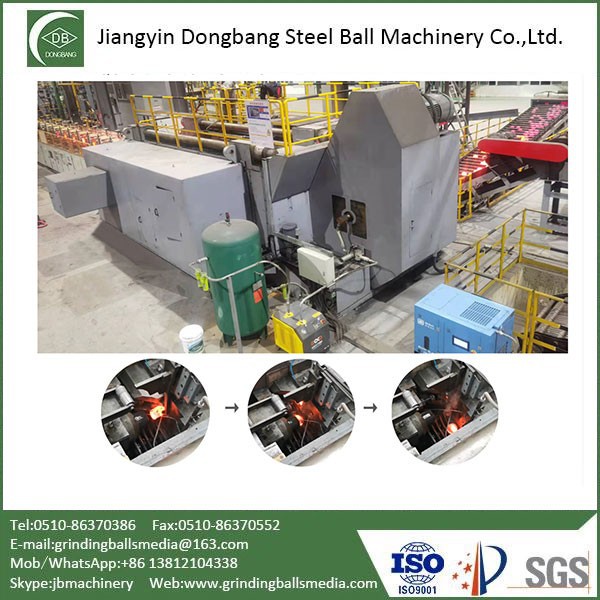
Process Adaptability
Forging processes can vary significantly depending on the type of material, the forging shape, and the production volume. Automating a Quick Forging Machine requires careful consideration of these variables to ensure that the automated system can adapt to different production requirements. For example, a system designed for one type of forging may not be suitable for another without significant modifications.
Workforce Resistance
Introducing automation in the manufacturing process can sometimes lead to resistance from the workforce. Employees may be concerned about job security or may be unfamiliar with the new technology. To overcome this challenge, it is important to communicate the benefits of automation to the employees and involve them in the implementation process.
High - Speed Forging Machines in Alloy Industries
High - Speed Forging Machine For Alloy Industries are a specialized type of Quick Forging Machines that are designed to meet the unique requirements of alloy forging. These machines can achieve high speeds and precision, making them ideal for producing high - quality alloy forgings. Automating high - speed forging machines in alloy industries can further enhance their performance and efficiency. For example, automated material handling systems can ensure a continuous supply of alloy materials to the machine, while in - process monitoring systems can detect any changes in the forging parameters and adjust them accordingly.
Conclusion
Automation of Quick Forging Machines is a strategic investment that can bring significant benefits to manufacturers in terms of efficiency, quality, safety, and cost savings. While there are challenges to overcome, the rewards of automation in the long run are well worth the effort. As a supplier of Quick Forging Machines, we are committed to helping our customers achieve automation in their forging processes. If you are interested in learning more about how to automate your Quick Forging Machines or are looking to purchase new equipment, we encourage you to reach out to us for a detailed discussion and tailored solutions.
References
- Smith, J. (2020). "Advances in Forging Machine Automation". Journal of Manufacturing Technology.
- Johnson, A. (2019). "Automation in High - Speed Forging Processes". International Conference on Industrial Engineering.