

What is the efficiency of a high - efficiency gas heating furnace?
Apr 02, 2026
In the realm of industrial and residential heating, high - efficiency gas heating furnaces play a pivotal role. As a trusted supplier of heating solutions, we understand the ins and outs of these vital pieces of equipment. The efficiency of a high - efficiency gas heating furnace refers to how effectively it can convert the energy in the gas into usable heat. This efficiency is not only crucial for cost - effectiveness but also for environmental sustainability.
Defining Efficiency
The efficiency of a gas heating furnace is typically measured by its Annual Fuel Utilization Efficiency (AFUE). The AFUE is a rating that shows the percentage of fuel that is converted into heat over the course of a year. For instance, a furnace with an AFUE of 90% will convert 90% of the gas it consumes into heat, while the remaining 10% will be lost through various means such as exhaust or inefficiencies in the combustion process. High - efficiency gas heating furnaces usually have an AFUE of 90% or higher, which is a significant improvement compared to older models that may have an AFUE as low as 60%.
When consumers purchase Gas Heating Furnace, they are increasingly looking for models with high AFUE ratings. A high - efficiency furnace may have a higher upfront cost, but the long - term savings on energy bills can quickly offset this initial investment. Additionally, with the growing concern over environmental issues, a furnace that can use fuel more efficiently helps reduce greenhouse gas emissions.
How High - Efficiency is Achieved
There are several technologies and design features that contribute to the high efficiency of gas heating furnaces. One of these is the use of a condensing design. In a condensing furnace, the exhaust gases are cooled to the point where water vapor in the gases condenses. This condensation process releases additional heat, which can then be recovered and used to warm the air in the home or industrial space. This technology allows condensing furnaces to achieve AFUE ratings of 90% or more.
Another important feature is the variable - speed blower. A variable - speed blower can adjust its speed according to the heating demand. This means that it doesn't have to run at full capacity all the time, which saves energy. For example, on a milder day, the blower can operate at a lower speed, consuming less electricity while still maintaining a comfortable temperature.
Types of High - Efficiency Gas Heating Furnaces
There are different types of high - efficiency gas heating furnaces available in the market, each with its own unique features and benefits.
Walking Beam Heating Furnace
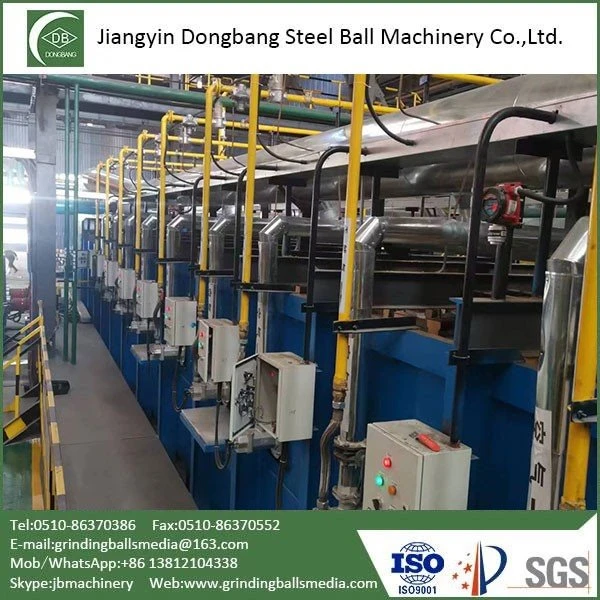
Walking Beam Heating Furnace is a type of industrial furnace that is known for its high efficiency and reliability. In a walking beam furnace, the workpieces are moved through the furnace on a series of walking beams. This design allows for precise control of the heating process, ensuring that each workpiece is heated evenly. The walking beam system also helps to reduce heat loss, as the workpieces are moved in a controlled manner, minimizing the amount of cold air that enters the furnace.
Two - Stage And Modulating Furnaces
Two - Stage And Modulating Furnaces are popular for residential use. A two - stage furnace has two levels of heating output: a low stage and a high stage. During milder weather, the furnace can operate on the low stage, which uses less gas and is more energy - efficient. When the temperature drops significantly, the furnace can switch to the high stage to provide more heat.
Modulating furnaces, on the other hand, can adjust their heat output in small increments. This allows them to match the heating demand of the home much more precisely than a single - stage or two - stage furnace. As a result, modulating furnaces can provide a more consistent and comfortable indoor temperature while using less energy.
Benefits of High - Efficiency Gas Heating Furnaces
The benefits of using high - efficiency gas heating furnaces are numerous. From a cost perspective, as mentioned earlier, the energy savings can be substantial over time. Lower energy bills mean more money left in the consumer's pocket, which can be used for other important expenses.
In terms of comfort, high - efficiency furnaces can provide a more consistent temperature throughout the space. The variable - speed blowers and precise heat output control of modern furnaces ensure that there are no cold spots or sudden temperature fluctuations. This creates a more pleasant living or working environment.
From an environmental point of view, high - efficiency gas heating furnaces are a step in the right direction. By using less fuel to produce the same amount of heat, they reduce the overall carbon footprint. Fewer greenhouse gas emissions help combat climate change and contribute to a more sustainable future.

Factors Affecting Furnace Efficiency
However, the efficiency of a gas heating furnace is not solely determined by its design and technology. There are several other factors that can affect its performance.
Proper Installation: A furnace that is not installed correctly may not operate at its maximum efficiency. Issues such as improper ductwork, incorrect sizing of the furnace, or poor ventilation can all lead to heat loss and reduced efficiency. It is essential to have a professional install the furnace to ensure that it is set up correctly.
Regular Maintenance: Just like any other piece of equipment, a gas heating furnace needs regular maintenance to perform at its best. This includes cleaning the filters, checking the burner, and inspecting the ventilation system. Over time, dirt and debris can accumulate in the furnace, which can block the airflow and reduce its efficiency. Regular maintenance can prevent these problems and keep the furnace running smoothly.
Insulation and Sealing: The insulation and sealing of the building where the furnace is installed also play a significant role in its efficiency. If a building has poor insulation or air leaks, the heat produced by the furnace will escape more easily, requiring the furnace to work harder to maintain a comfortable temperature. Improving the insulation and sealing of the building can help reduce heat loss and improve the overall efficiency of the furnace.
Conclusion
In conclusion, the efficiency of a high - efficiency gas heating furnace is a multi - faceted concept. It encompasses not only the technical design and performance of the furnace itself but also factors such as installation, maintenance, and the building's characteristics. As a leading Gas Heating Furnace supplier, we are committed to providing our customers with high - quality, efficient heating solutions. Whether you are looking for an industrial Walking Beam Heating Furnace or a residential Two - Stage And Modulating Furnaces, we have the expertise and products to meet your needs.
If you are considering purchasing a high - efficiency gas heating furnace, we invite you to get in touch with us for more detailed information and to discuss your specific requirements. Our team of experts is ready to assist you in making the best choice for your heating needs and to guide you through the procurement process.
References
- ASHRAE Handbook - HVAC Systems and Equipment.
- Gas Appliance Manufacturers Association (GAMA) publications.
- Energy Star resources on high - efficiency heating equipment.