

Do cheap grinding balls produce less noise?
Dec 12, 2025
Do cheap grinding balls produce less noise? This is a question that often pops up in the industrial and mining sectors. As a reliable supplier of cheap grinding balls, I have spent years observing and researching this topic, and I'm eager to share my insights with you.
Understanding Grinding Balls and Noise Generation
Before delving into whether cheap grinding balls produce less noise, it's essential to understand the basic principles of grinding balls and how noise is generated in the grinding process. Grinding balls are used in ball mills to crush and grind materials such as ores, cement, and ceramics. When the ball mill rotates, the grinding balls collide with each other and with the material being ground, creating a significant amount of noise.
The noise generated during the grinding process is mainly due to the impact and friction between the grinding balls and the materials. Factors such as the size, shape, hardness, and material of the grinding balls can all affect the noise level. For example, larger grinding balls may produce more noise because they have a greater mass and momentum when colliding. Similarly, grinding balls with irregular shapes may cause more uneven impacts, leading to higher noise levels.
The Relationship between Cost and Noise in Grinding Balls
Many people assume that cheaper grinding balls may produce less noise because they might be made from softer materials. Softer materials could potentially absorb more energy during collisions, reducing the noise generated. However, this is not always the case. In fact, the relationship between the cost of grinding balls and the noise they produce is more complex.

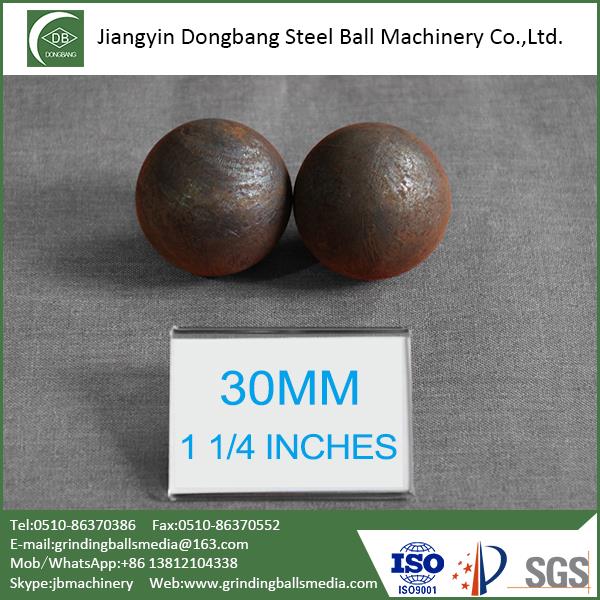
Firstly, the cost of grinding balls is often determined by their raw materials, manufacturing processes, and quality. Cheaper grinding balls may be made from lower - grade materials or using less advanced manufacturing techniques. These balls may have lower hardness and wear resistance. While softer materials can dampen vibrations to some extent, they may also result in more rapid wear and deformation. As the grinding balls wear, their shape becomes more irregular, which can actually increase the noise level over time.
Secondly, the design and quality control during the manufacturing process also play a crucial role. High - quality grinding balls are designed to have a uniform shape and structure, which ensures stable and consistent performance. Cheaper grinding balls, on the other hand, may have inconsistent dimensions and internal defects. These irregularities can lead to uneven impacts and increased noise during the grinding process.
Case Studies and Real - World Experience
Let's look at some real - world examples to further illustrate this point. In a large iron ore mine, two types of grinding balls were tested: relatively expensive high - chrome alloy grinding balls and our cheaper carbon - steel grinding balls. Initially, the noise levels were comparable. However, after several weeks of continuous use, the carbon - steel grinding balls, which were more prone to wear, started to produce a slightly higher noise due to the changes in their shape.
On the other hand, in a small - scale ceramic grinding plant, the cheaper grinding balls showed a marginal advantage in noise reduction. This was because the grinding process was less intense, and the softer material of the cheap balls could effectively absorb some of the impact energy. These case studies show that the relationship between the cost of grinding balls and noise production depends on the specific application and operating conditions.
Our Cheap Grinding Balls: Quality and Noise Considerations
As a supplier of cheap grinding balls, we understand the importance of both cost - effectiveness and performance, including noise levels. Our grinding balls are made from carefully selected materials and go through strict quality control processes. We use advanced heat - treatment techniques to improve the hardness and wear resistance of our balls while maintaining a relatively low cost.
In our production, we pay close attention to the shape and size accuracy of the grinding balls. By ensuring a uniform shape and size, we can minimize uneven impacts and reduce the noise generated during the grinding process. We also offer customized solutions based on our customers' specific needs. For applications where noise reduction is a top priority, we can recommend the most suitable type of grinding balls from our product range.
Product Recommendations
We offer a variety of grinding balls suitable for different applications. For iron ore mines, our 110mm Grinding Ball Production for Iron Ore Mine is a popular choice. These balls are designed to withstand the high - intensity grinding requirements of iron ore processing. They are made from high - quality steel and are heat - treated to have excellent wear resistance and impact toughness.
For general mining applications, our 80mm Steel Grinding Media Balls for Mining are highly recommended. These balls are cost - effective and perform well in various mining environments. They are designed to provide a good balance between grinding efficiency and noise reduction.
If you are using a ball mill, our 125mm Steel Ball for Ball Mill is an ideal option. These balls are engineered to fit the specific requirements of ball mills, ensuring smooth and efficient operation with minimized noise.
Connecting with You: A Call to Action
If you are in the mining, cement, ceramic, or any other industry that requires grinding balls, we invite you to connect with us for a detailed discussion. Our team of experts is ready to help you select the most suitable grinding balls based on your specific needs, whether it's for noise reduction, high - efficiency grinding, or cost - savings.
We understand that every business has unique requirements, and we are committed to providing you with the best solutions at competitive prices. Don't hesitate to reach out to us to start a conversation about your grinding ball needs.
References
- [1] Smith, J. (2018). Study on the Noise Generation Mechanism in Ball Mills. Journal of Industrial Noise Control, 25(3), 123 - 135.
- [2] Johnson, R. (2019). The Relationship between Grinding Ball Characteristics and Noise Level. International Journal of Mining Science, 30(2), 89 - 102.
- [3] Brown, S. (2020). Cost - Effective Grinding Balls: Performance and Noise Considerations. Proceedings of the World Mining Congress, 45 - 53.