
How to maintain a rolled steel ball production line
Nov 16, 2025
1. Conduct daily inspections to identify potential hazards.
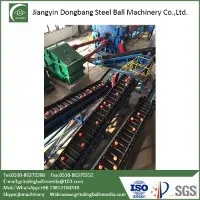
Regularly conduct comprehensive inspections of all equipment on the production line, focusing on whether component connections are secure and whether there are any signs of loosening or abnormal wear. Monitor the stability of the heating furnace temperature display, check for unusual noises from the rollers, and ensure the smooth operation of the conveyor system. Promptly clean debris and dust from the equipment surface and surrounding areas to prevent accumulation that could affect heat dissipation or normal operation. Record and address any minor abnormalities immediately to prevent small problems from escalating into equipment failures and ensure the continuous and stable operation of the production line.
2. Regular and precise maintenance of key components
Specific maintenance plans should be developed for core components. For the roll assembly, surface wear should be checked regularly, and timely grinding or replacement should be carried out to avoid affecting the forming accuracy of steel balls due to roll wear. The heating furnace should be cleaned of scale buildup regularly, and its sealing performance should be checked to ensure accurate temperature control. The electrical control system should be cleaned of module dust regularly, and wiring connections should be checked to prevent poor contact or short circuits, ensuring the normal transmission of control commands to all components.

3. Scientific management of the lubrication system
Strictly adhere to equipment requirements when selecting appropriate lubricating grease. Regularly check the oil level and condition at each lubrication point, and promptly replenish or replace any deteriorated grease. Ensure adequate lubrication of rotating parts such as roller bearings and conveyor chains to reduce frictional wear between components and lower equipment operating resistance. Regularly clean lubrication lines to prevent blockages that could lead to lubrication failure, extend equipment lifespan, and improve operational efficiency.
4. Strengthen system monitoring and recording.
Leveraging the monitoring capabilities of the electrical control system, real-time monitoring of equipment operating parameters, such as temperature, speed, and pressure, is crucial for establishing comprehensive operating records. Regularly analyzing these records helps understand equipment operating patterns and predict potential malfunctions. A replacement log is maintained for vulnerable components, and spare parts are prepared in advance based on usage to prevent prolonged production line downtime due to sudden component failures, thus improving the foresight and effectiveness of maintenance.
If you are interested in the maintenance methods and other related information for rolled steel ball production lines, please feel free to contact Dongbang Steel Ball Machinery for further consultation. We have a highly professional team of experts who are like elite troops ready for action at any time.