

What is the surface hardness distribution of forged steel balls?
Dec 05, 2025
Hey there! As a supplier of forged steel balls, I often get asked about the surface hardness distribution of these little but mighty products. So, let's dive right in and explore what it's all about.
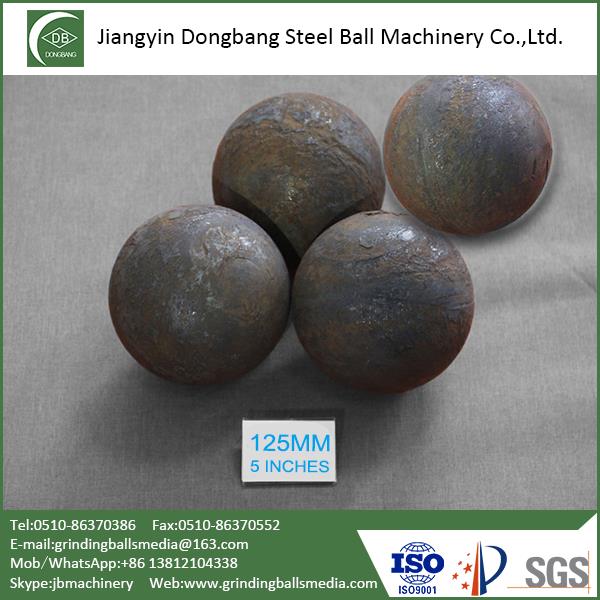
First off, what are forged steel balls? Well, they're basically steel balls that are made through a forging process. This involves heating a piece of steel to a high temperature and then shaping it into a ball using a hammer or a press. Forged steel balls are known for their high density, excellent wear resistance, and good impact toughness. They're widely used in various industries, such as mining, cement production, and power generation, for grinding and crushing purposes.
Now, let's talk about surface hardness distribution. The surface hardness of a forged steel ball is a crucial factor that determines its performance and durability. It affects how well the ball can withstand wear and tear, as well as its ability to break down materials during the grinding process.
The surface hardness distribution of forged steel balls isn't uniform. It can vary depending on several factors, including the manufacturing process, the chemical composition of the steel, and the heat treatment applied.
During the forging process, the outer layer of the steel ball is subjected to high pressure and deformation. This can cause work hardening, which increases the hardness of the surface layer. As a result, the outer surface of the ball is usually harder than the inner core.
The chemical composition of the steel also plays a significant role. Steel with a higher carbon content generally has a higher hardness. Alloying elements, such as chromium, manganese, and molybdenum, can also be added to enhance the hardness and other properties of the steel. For example, chromium can improve the corrosion resistance and wear resistance of the steel, while manganese can increase its strength and toughness.
Heat treatment is another important factor. Processes like quenching and tempering can significantly alter the hardness of the steel ball. Quenching involves rapidly cooling the heated steel ball in a quenching medium, such as water or oil. This causes the formation of a hard martensitic structure on the surface. Tempering, on the other hand, is a subsequent heat treatment that reduces the brittleness of the quenched steel and improves its toughness.
So, why does the surface hardness distribution matter? Well, in a grinding application, the outer surface of the forged steel ball is the first to come into contact with the material being ground. A harder outer surface means better wear resistance, which translates to a longer service life for the ball. This can lead to cost savings for the end - user, as they won't have to replace the balls as frequently.
However, if the surface is too hard, it can become brittle and prone to cracking. This is where the right balance in the hardness distribution is crucial. The inner core of the ball should have enough toughness to absorb the impact forces during the grinding process, while the outer surface provides the necessary hardness for wear resistance.
Let's take a look at some of the products we offer. We have Grinder Balls for Silver Ore Mine Mineral Processing. These balls are specifically designed for the tough conditions in silver ore mining. The surface hardness distribution of these balls is optimized to ensure maximum wear resistance while maintaining sufficient toughness to handle the impact of the grinding process.
Our 100mm Forged Grinding Ball for Iron Ore Mine is another great example. Iron ore mining requires balls that can withstand high - pressure grinding operations. The surface hardness of these 100mm balls is carefully controlled to provide long - lasting performance in the harsh iron ore environment.
And then there's our 80mm Media Ball for Silver Ore Mine Mineral Processing. These smaller balls are ideal for more precise grinding tasks in silver ore processing. The surface hardness distribution is fine - tuned to meet the specific requirements of this application.
To measure the surface hardness distribution of forged steel balls, we use various techniques. One common method is the Rockwell hardness test. This test involves pressing a hard indenter into the surface of the ball and measuring the depth of the indentation. By taking multiple measurements at different points on the surface, we can get an idea of the hardness distribution.
Another method is the Vickers hardness test. This test uses a square - based pyramid indenter and measures the size of the indentation. It's a more accurate method for measuring the hardness of small areas, which is useful for analyzing the hardness distribution in the different layers of the ball.
In conclusion, understanding the surface hardness distribution of forged steel balls is essential for both manufacturers and end - users. It helps us produce high - quality balls that can meet the specific needs of different applications. Whether you're in the mining industry, cement production, or any other field that requires grinding and crushing, the right forged steel balls with the optimal surface hardness distribution can make a big difference in your operations.

If you're interested in learning more about our forged steel balls or are looking to make a purchase, don't hesitate to reach out. We're always here to help you find the best solution for your grinding needs. Let's have a chat and see how we can work together to improve your productivity and reduce your costs.
References
- "Metallurgy of Steel" by George E. Totten
- "Grinding Technology: Theory and Applications of Machining with Abrasives" by Peter K. Wright and David A. Bartels