

What is the role of the flue in a gas heating furnace?
Oct 09, 2025
As a seasoned provider of Gas Heating Furnace, I've witnessed firsthand the pivotal role that the flue plays in the overall functionality and safety of these essential heating appliances. In this blog post, I'll delve into the intricacies of the flue's role in a gas heating furnace, shedding light on its significance and how it contributes to the efficient and safe operation of the system.
The Basics of a Gas Heating Furnace
Before we explore the role of the flue, let's briefly review how a gas heating furnace works. A gas heating furnace is a device that burns natural gas or propane to generate heat. The heat is then transferred to the air, which is circulated throughout the building via a duct system. The combustion process in a gas heating furnace produces byproducts, including carbon monoxide, nitrogen oxides, and water vapor. These byproducts must be safely removed from the furnace and the building to prevent health hazards and ensure the proper functioning of the system.
The Role of the Flue
The flue, also known as a chimney or vent, is a crucial component of a gas heating furnace. Its primary function is to provide a pathway for the safe removal of combustion byproducts from the furnace to the outside of the building. Here's a closer look at the specific roles that the flue plays in a gas heating furnace:
1. Ventilation of Combustion Gases
The most important role of the flue is to vent the combustion gases produced by the furnace. These gases include carbon monoxide (CO), a colorless, odorless, and highly toxic gas that can be fatal if inhaled in high concentrations. The flue ensures that these gases are carried away from the furnace and discharged safely into the atmosphere, preventing them from accumulating inside the building.
2. Maintaining Proper Draft
The flue also helps to maintain a proper draft in the furnace. Draft is the flow of air through the furnace and the flue, which is essential for the efficient combustion of fuel. A proper draft ensures that the burner receives an adequate supply of oxygen for combustion and that the combustion gases are removed from the furnace quickly and efficiently. Without a proper draft, the furnace may not operate efficiently, and the combustion process may produce excessive amounts of carbon monoxide.
3. Preventing Backdraft
Backdraft is a dangerous condition that occurs when the flow of air through the flue is reversed, causing combustion gases to flow back into the building instead of being vented outside. This can happen if the flue is blocked, damaged, or improperly installed. The flue is designed to prevent backdraft by providing a strong and consistent flow of air in the correct direction. It also includes features such as dampers and draft regulators to help control the flow of air and prevent backdraft.

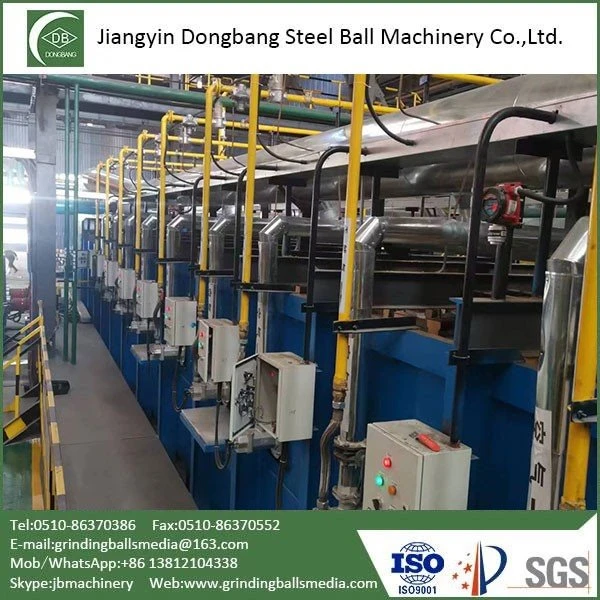
4. Protecting the Furnace and the Building
The flue helps to protect the furnace and the building from damage caused by the high temperatures and corrosive nature of the combustion gases. The flue is typically made of a durable material, such as stainless steel or clay, that can withstand the high temperatures and corrosive effects of the gases. It also helps to prevent the buildup of soot and other debris inside the furnace, which can reduce its efficiency and lifespan.
Types of Flues
There are several types of flues that can be used in a gas heating furnace, each with its own advantages and disadvantages. The most common types of flues include:
1. Natural Draft Flues
Natural draft flues rely on the natural buoyancy of hot air to create a draft and vent the combustion gases. These flues are typically made of brick, concrete, or metal and are installed vertically through the roof of the building. Natural draft flues are simple and reliable, but they can be affected by weather conditions and may require regular maintenance to ensure proper operation.
2. Power Vent Flues
Power vent flues use a fan or blower to create a draft and vent the combustion gases. These flues are typically made of plastic or metal and can be installed horizontally or vertically. Power vent flues are more efficient than natural draft flues and are less affected by weather conditions. However, they require an electrical power source and may be more expensive to install and maintain.
3. Direct Vent Flues
Direct vent flues are a type of power vent flue that uses a sealed combustion chamber to draw in outside air for combustion and vent the combustion gases directly to the outside of the building. These flues are typically made of plastic or metal and can be installed horizontally or vertically. Direct vent flues are the most efficient and safest type of flue, but they may be more expensive to install and require a dedicated air intake and exhaust vent.
Importance of Proper Flue Installation and Maintenance
Proper installation and maintenance of the flue are essential for the safe and efficient operation of a gas heating furnace. Here are some key points to keep in mind:
1. Professional Installation
The flue should be installed by a qualified professional who is familiar with the local building codes and regulations. Improper installation of the flue can lead to a variety of problems, including backdraft, poor draft, and the accumulation of combustion gases inside the building.
2. Regular Inspections
The flue should be inspected regularly by a qualified professional to ensure that it is in good condition and functioning properly. Inspections should include a visual inspection of the flue for signs of damage, such as cracks, holes, or corrosion, as well as a test of the draft to ensure that it is strong and consistent.
3. Cleaning and Maintenance
The flue should be cleaned regularly to remove any soot, debris, or other obstructions that may accumulate inside. This can help to prevent blockages and ensure the proper flow of air through the flue. In addition, the flue should be inspected and maintained on a regular basis to ensure that all components, such as dampers and draft regulators, are working properly.
Conclusion
In conclusion, the flue plays a vital role in the safe and efficient operation of a gas heating furnace. It provides a pathway for the safe removal of combustion byproducts from the furnace to the outside of the building, helps to maintain a proper draft, prevents backdraft, and protects the furnace and the building from damage. Proper installation and maintenance of the flue are essential for ensuring the safety and reliability of the heating system.
If you're in the market for a Gas Heating Furnace or need assistance with the installation or maintenance of your existing flue, we're here to help. Our team of experienced professionals can provide you with expert advice and high-quality products to meet your heating needs. Contact us today to learn more about our Two-Stage And Modulating Furnaces and Walking Beam Heating Furnace options and to discuss your specific requirements.
References
- ASHRAE Handbook of HVAC Systems and Equipment. American Society of Heating, Refrigerating and Air-Conditioning Engineers.
- National Fuel Gas Code (NFPA 54). National Fire Protection Association.