

What is the influence of ball mill media balls on the crystal structure of the ground material?
Jun 20, 2025
In the realm of material processing, ball mills play a crucial role in reducing the size of particles and achieving the desired material properties. The media balls used in ball mills are a key factor that can significantly influence the outcome of the grinding process, especially in terms of the crystal structure of the ground material. As a trusted ball mill media balls supplier, I have witnessed firsthand the impact that different types of media balls can have on the crystal structure of various materials. In this blog post, I will delve into the intricate relationship between ball mill media balls and the crystal structure of the ground material, exploring the factors at play and the implications for industrial applications.
Understanding Ball Mill Media Balls
Ball mill media balls are the grinding elements used in ball mills to crush and grind materials. They come in a variety of sizes, materials, and shapes, each designed to meet specific grinding requirements. Common materials for media balls include steel, ceramic, and rubber, with steel being the most widely used due to its high hardness, durability, and cost - effectiveness.
The choice of media ball material can have a profound impact on the grinding process. Steel balls, for example, are known for their high density and hardness, which allows them to generate high impact forces during grinding. This makes them suitable for grinding hard and brittle materials. Ceramic balls, on the other hand, are chemically inert and have a lower density, which can be advantageous for grinding materials that are sensitive to contamination or require a more gentle grinding action.
Influence on Crystal Structure
Mechanical Deformation
One of the primary ways in which ball mill media balls affect the crystal structure of the ground material is through mechanical deformation. When the media balls collide with the material particles, they exert forces that can cause the crystals within the particles to deform. This deformation can lead to the introduction of defects such as dislocations, stacking faults, and grain boundaries in the crystal lattice.
For instance, in the case of metallic materials, the high - energy impacts from steel media balls can cause the metal crystals to undergo plastic deformation. This can result in the refinement of the grain size, as the dislocations interact and form new grain boundaries. The refined grain size can enhance the mechanical properties of the material, such as strength and hardness.
Amorphization
In some cases, the intense grinding action of the media balls can lead to the amorphization of the crystalline material. Amorphization is the process by which a crystalline material loses its long - range order and becomes amorphous. This can occur when the mechanical energy input from the media balls is sufficient to break the chemical bonds within the crystal lattice.
For example, when grinding certain ceramic materials with steel media balls, the high - energy collisions can disrupt the regular arrangement of atoms in the crystal structure, leading to the formation of an amorphous phase. The amorphous phase can have different physical and chemical properties compared to the crystalline phase, such as higher solubility and reactivity.
Phase Transformation
Ball mill media balls can also induce phase transformations in the ground material. The mechanical energy generated during grinding can provide the activation energy required for a phase transition to occur.
Take the case of polymorphic materials, which exist in multiple crystal structures with different arrangements of atoms. The grinding action of the media balls can cause a transformation from one polymorphic form to another. For example, in the grinding of titanium dioxide, the high - energy impacts from media balls can convert the rutile phase to the anatase phase, which has different photocatalytic properties.
Factors Affecting the Influence
Media Ball Size
The size of the ball mill media balls is an important factor that affects the influence on the crystal structure. Larger media balls generally generate higher impact forces during grinding. This can be beneficial for initiating the initial breakage of large particles and for inducing significant mechanical deformation in the material. However, if the grinding is continued for too long with large balls, it may lead to excessive damage to the crystal structure.

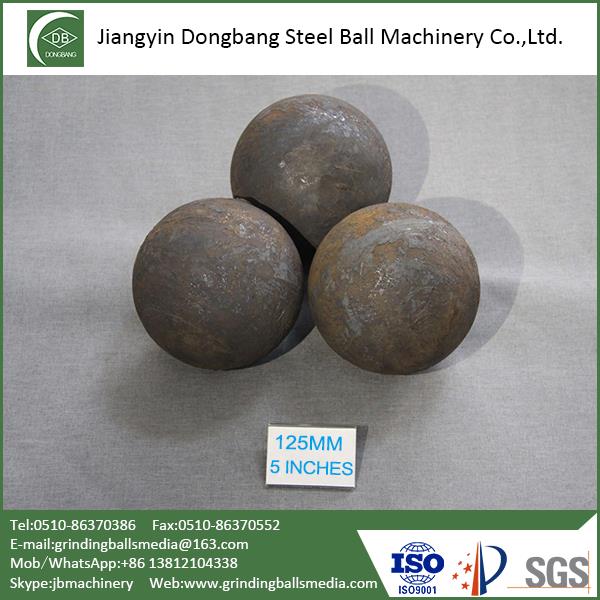
Smaller media balls, on the other hand, provide a more uniform grinding action and can be more effective in achieving fine particle size reduction. They are also less likely to cause severe damage to the crystal structure, making them suitable for materials that require a more gentle grinding process.
Grinding Time
The duration of the grinding process also plays a crucial role. Prolonged grinding with ball mill media balls can lead to more extensive changes in the crystal structure. As the grinding time increases, the number of collisions between the media balls and the material particles increases, which can result in a higher density of defects in the crystal lattice and potentially lead to amorphization.
However, there is often an optimal grinding time for achieving the desired changes in the crystal structure. Beyond this optimal time, further grinding may not lead to additional beneficial changes and may even cause over - grinding, which can degrade the material properties.
Industrial Applications
The influence of ball mill media balls on the crystal structure has significant implications for various industrial applications.
In the mining industry, for example, the grinding of ore materials is a critical step in the extraction of valuable minerals. The choice of media balls can affect the liberation of the minerals from the ore matrix. By controlling the crystal structure of the ore particles through appropriate grinding with media balls, it is possible to improve the efficiency of the subsequent separation processes. You can learn more about our 110mm Grinding Balls Production for Iron Ore Mine and Steel Balls for Mining which are designed to meet the specific requirements of the mining industry.
In the pharmaceutical industry, the grinding of active pharmaceutical ingredients (APIs) can be used to modify their crystal structure and improve their solubility and bioavailability. Ceramic media balls are often preferred in this application to avoid contamination of the APIs. Our 80mm Grinding Steel Ball for Mining can also be adapted for certain pharmaceutical grinding processes where appropriate.
Conclusion
The ball mill media balls have a profound influence on the crystal structure of the ground material. Through mechanical deformation, amorphization, and phase transformation, they can significantly alter the physical and chemical properties of the material. The choice of media ball material, size, and the grinding time are all important factors that need to be carefully considered to achieve the desired changes in the crystal structure.
As a ball mill media balls supplier, we understand the importance of providing high - quality media balls that can meet the diverse needs of different industries. Whether you are looking to enhance the mechanical properties of a material, improve the solubility of a compound, or optimize the extraction of minerals, our range of media balls can offer the solutions you need.
If you are interested in learning more about our ball mill media balls or would like to discuss your specific requirements, please feel free to contact us. We are committed to providing you with the best products and services to ensure the success of your grinding operations.
References
- Rumpf, H. (1975). Mechanical activation of solids. Pure and Applied Chemistry, 43(2), 203 - 216.
- Suryanarayana, C. (2001). Mechanical alloying and milling. Progress in Materials Science, 46(1), 1 - 184.
- Koch, C. C. (1997). Nanostructured materials processed by high - energy ball milling. Annual Review of Materials Science, 27(1), 539 - 569.