

What is the impact resistance of forged steel balls for buying?
Jun 05, 2025
When it comes to buying forged steel balls, one of the most crucial factors to consider is their impact resistance. As a supplier of forged steel balls, I've seen firsthand how this property can make or break a purchase decision for our customers. In this blog, I'll dive into what impact resistance means for forged steel balls, why it matters, and how it affects your buying choices.
What is Impact Resistance?
Impact resistance refers to the ability of a forged steel ball to withstand sudden, high - force impacts without deforming, cracking, or breaking. In industrial applications, these balls are often used in ball mills, where they're constantly colliding with each other and the materials being ground. A high - impact - resistant ball can endure these intense forces over a long period, maintaining its shape and performance.
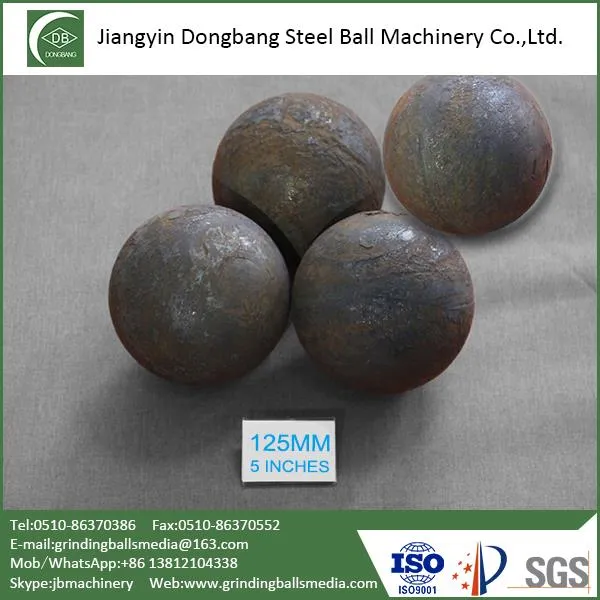
Let's break down the science behind it a bit. Forged steel balls are made by heating steel billets and then shaping them through a forging process. This process aligns the steel's grain structure, which can significantly enhance its strength and toughness. The better the alignment and the quality of the steel used, the higher the impact resistance of the final product.
Why Does Impact Resistance Matter?
Efficiency
In a ball mill, the main goal is to grind materials into fine particles. High - impact - resistant forged steel balls can transfer more energy to the materials being ground. They can break down larger chunks more effectively, reducing the time and energy required for the grinding process. This means you can get more work done in less time, which is a huge advantage for any industrial operation.
Cost - Effectiveness
Balls with poor impact resistance are more likely to crack or break during use. When this happens, you have to replace them more frequently. This not only increases the cost of purchasing new balls but also leads to downtime for the ball mill while the broken balls are removed and replaced. On the other hand, high - impact - resistant balls have a longer service life, which reduces the overall cost of operation in the long run.
Product Quality
The quality of the final product in a grinding process can be affected by the performance of the forged steel balls. If the balls break or deform easily, they may not grind the materials evenly. This can result in inconsistent particle sizes in the final product, which can be a problem in industries where product quality is critical, such as the mining and cement industries.
How Impact Resistance Affects Your Buying Decision
Application
The type of application you're using the forged steel balls for will determine the level of impact resistance you need. For example, if you're using them in a silver ore mine mineral processing plant, the balls will be subjected to different forces compared to a cement plant. In a silver ore mine, the balls need to break down hard rocks and minerals. So, you'll want balls with high impact resistance. You can check out Media Balls for Silver Ore Mine Mineral Processing for more information on the specific requirements for this application.
Material Hardness
The hardness of the material you're grinding also plays a role. If you're grinding very hard materials like iron ore, the forged steel balls will experience more wear and tear. You'll need balls with excellent impact resistance to handle the high - stress environment. Our 30mm Grinding Ball Production for Iron Ore Mine is designed to meet these demands, with a high - quality steel composition that provides superior impact resistance.
Ball Size
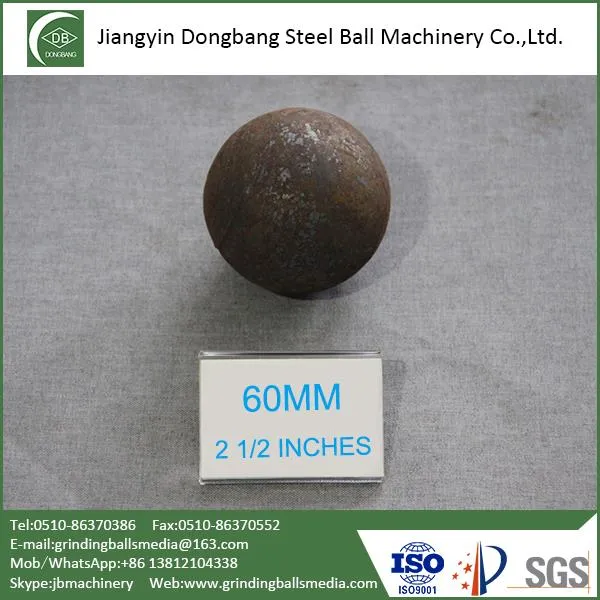
The size of the forged steel balls can affect their impact resistance. Generally, larger balls need to have higher impact resistance because they carry more mass and generate more force when they collide. However, smaller balls may also require good impact resistance, especially if they're used in high - speed ball mills.
Assessing Impact Resistance
As a supplier, we use several methods to ensure the impact resistance of our forged steel balls. One common method is the drop test. We drop the balls from a certain height onto a hard surface and check for any signs of damage. Another method is the use of advanced testing equipment to measure the hardness and toughness of the balls.
We also take into account the feedback from our customers. If a particular batch of balls shows signs of poor impact resistance in the field, we'll analyze the problem and make the necessary adjustments to our production process.
Conclusion
Impact resistance is a key factor when buying forged steel balls. It affects the efficiency, cost - effectiveness, and product quality of your industrial operations. As a supplier, we understand the importance of providing high - impact - resistant balls that meet the specific needs of our customers. Whether you're in the mining, cement, or any other industry that uses ball mills, choosing the right forged steel balls with the appropriate impact resistance is crucial.
If you're interested in learning more about our Forged Steel Ball for Iron Ore Mine or other products, or if you have any questions about impact resistance and which balls are right for your application, feel free to reach out. We're here to help you make the best buying decision for your business.
References
- "Handbook of Grinding Technology" by J. S. Armarego and W. B. Brown
- "Materials Science and Engineering: An Introduction" by William D. Callister Jr. and David G. Rethwisch