

What are the signs of equipment failure during steel ball grinding?
Nov 26, 2025
Hey there! I'm a supplier of grinding steel balls, and today I wanna chat about the signs of equipment failure during steel ball grinding. It's super important to catch these signs early, 'cause it can save you a ton of time and money in the long run.
First off, let's talk about noise. If you notice that your grinding equipment is making louder or different noises than usual, that's a big red flag. Grinding steel balls should operate with a relatively consistent and smooth sound. A sudden increase in noise could mean there's something wrong with the bearings, gears, or other moving parts. For example, a high - pitched screeching noise might indicate that the bearings are worn out. Bearings are crucial for the smooth operation of the grinding machine, and if they're not working properly, it can lead to uneven grinding and even damage to the steel balls.
Another sign of equipment failure is vibration. Excessive vibration can be really bad news. When the grinding equipment vibrates too much, it can cause the steel balls to be ground unevenly. You might start to see that the size and shape of the steel balls are inconsistent. This vibration can be caused by a misaligned shaft, unbalanced components, or worn - out parts. If you feel the machine shaking more than it should, it's time to stop and take a closer look.
Temperature is also a key indicator. The grinding process generates heat, but if the temperature of the equipment rises abnormally, it's a sign that something isn't right. Overheating can damage the lubricants used in the machine, which in turn can lead to more friction and wear on the parts. You can use a temperature sensor to keep an eye on the temperature of critical components like the motor and the grinding chamber. If the temperature goes above the normal range, it could be due to a clogged cooling system, a malfunctioning motor, or excessive friction in the grinding process.
The quality of the ground steel balls is a direct reflection of the equipment's condition. If you start to notice that the surface finish of the steel balls is rough, or there are cracks or chips on them, it's likely that the grinding equipment is failing. This could be because the grinding wheels are worn out or not properly dressed. Grinding wheels need to be maintained regularly to ensure a smooth and accurate grinding process. A worn - out grinding wheel can't provide the right amount of pressure and abrasion, resulting in poor - quality steel balls.
Now, let's talk about the production rate. If you've been getting a certain number of high - quality steel balls per hour, and suddenly the production rate drops significantly, it could be a sign of equipment failure. This could be due to a variety of reasons, such as a jammed feed mechanism, a problem with the power supply to the machine, or a malfunction in the control system. A decrease in production rate not only affects your bottom line but also indicates that there's an underlying issue with the equipment.
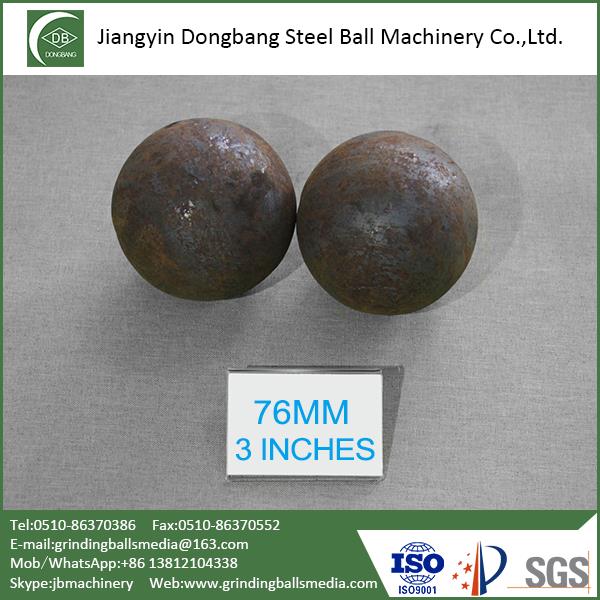
Let's say you're using Forging Steel Grinding Balls in your grinding process. If the equipment starts to fail, it can have a huge impact on the performance of these balls. The forging process gives these balls their strength and durability, but if the grinding isn't done right, all those benefits can be lost. Similarly, 76mm Grinding Media Steel Ball and 60mm Media Ball for Silver Ore Mine Mineral Processing need precise grinding to meet the specific requirements of different industries. Any equipment failure can lead to these balls not meeting the necessary standards.
In addition to these obvious signs, there are also some less - visible signs that you should be aware of. For example, if you notice an increase in the consumption of lubricants or other consumables, it could be a sign that the equipment is working harder than it should. This extra wear and tear can lead to more serious problems down the line.
So, what should you do if you notice any of these signs? The first step is to stop the equipment immediately. Continuing to run a faulty machine can cause more damage and make the repair process more complicated and expensive. Then, you should conduct a thorough inspection of the equipment. Check all the components, from the smallest screws to the largest motors. Look for signs of wear, damage, or misalignment. If you're not sure what's wrong, it might be a good idea to call in a professional technician.

Regular maintenance is also crucial to prevent equipment failure. Make sure to follow the manufacturer's recommendations for maintenance, including regular cleaning, lubrication, and replacement of worn - out parts. By taking good care of your grinding equipment, you can reduce the risk of failure and ensure that you're producing high - quality steel balls consistently.
As a supplier of grinding steel balls, I know how important it is to have reliable equipment. If you're in the market for high - quality grinding steel balls or need advice on maintaining your grinding equipment, don't hesitate to reach out. We can have a chat about your specific needs and see how we can work together to keep your operations running smoothly. Whether you're a small - scale operation or a large industrial plant, we've got the products and knowledge to support you.
In conclusion, being able to recognize the signs of equipment failure during steel ball grinding is essential for any business in this industry. By paying attention to noise, vibration, temperature, product quality, production rate, and other indicators, you can catch problems early and take the necessary steps to fix them. And if you need top - notch grinding steel balls, just give us a shout. We're here to help you achieve the best results in your grinding processes.
References
- General knowledge of steel ball grinding equipment operation and maintenance.
- Industry experience in supplying grinding steel balls.