

How much are grinding balls for packaging industries?
Dec 18, 2025
In the packaging industries, grinding balls play a crucial role in various processes. These small yet powerful components are essential for achieving the desired particle size and quality of materials used in packaging production. As a reliable grinding balls price supplier, I understand the significance of providing high - quality grinding balls at competitive prices. In this blog, we will explore how much grinding balls cost for the packaging industries and the factors that influence their pricing.
Understanding the Role of Grinding Balls in Packaging Industries
Before delving into the pricing details, it's important to understand why grinding balls are so important in the packaging sector. Packaging materials often need to be processed to a specific fineness. For example, in the production of paper packaging, the raw pulp may need to be ground to a certain particle size to ensure smoothness and strength. Grinding balls are used in ball mills to break down larger particles into smaller ones through a process of impact and attrition.
In the production of plastic packaging, grinding balls can be used to process recycled plastics. By reducing the size of plastic waste, it becomes easier to melt and reshape the material into new packaging products. Similarly, in the manufacturing of glass packaging, grinding balls are used to refine the raw materials and improve the clarity and quality of the final glass product.
Factors Affecting the Price of Grinding Balls
The price of grinding balls for the packaging industries is influenced by several factors. Here are some of the most significant ones:
Material
The material of the grinding balls is one of the primary factors affecting their price. Common materials include steel, cast iron, ceramic, and tungsten carbide. Steel grinding balls are widely used due to their high strength and wear resistance. They are relatively affordable compared to some other materials. Cast iron grinding balls are also popular, especially for applications where cost is a major concern. However, they may have lower wear resistance compared to steel balls.

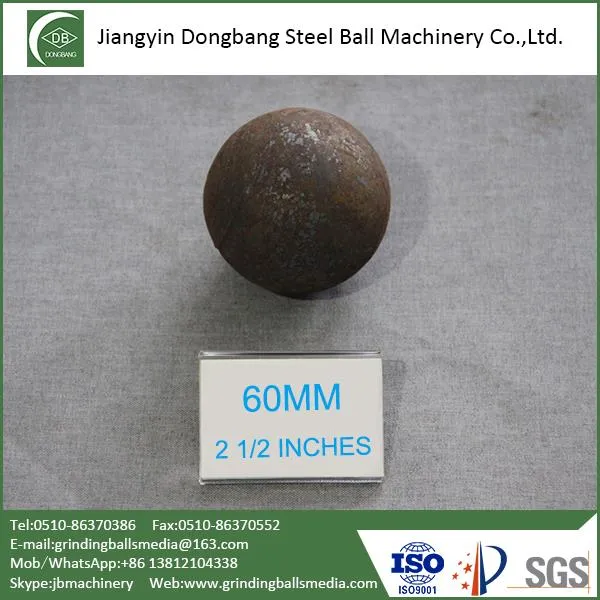
Ceramic grinding balls are known for their high hardness and chemical resistance. They are often used in applications where contamination of the material being ground is a concern, such as in the production of food and pharmaceutical packaging. However, ceramic balls are generally more expensive than steel or cast iron balls. Tungsten carbide grinding balls are the most expensive option. They offer extremely high wear resistance and are used in very demanding applications where long - term performance is crucial.
Size
The size of the grinding balls also plays a role in determining their price. Larger grinding balls generally cost more than smaller ones. This is because they require more material to manufacture and may be more difficult to produce. In the packaging industries, the size of the grinding balls is selected based on the specific requirements of the grinding process. For example, if a finer grind is needed, smaller grinding balls may be used.
Quality and Manufacturing Process
The quality of the grinding balls and the manufacturing process used to produce them can significantly impact the price. High - quality grinding balls are produced using advanced manufacturing techniques that ensure consistent size, shape, and hardness. These balls are less likely to break or wear out quickly, which can save costs in the long run. However, the advanced manufacturing processes and quality control measures increase the production cost, resulting in a higher price for the end - user.
Quantity
The quantity of grinding balls ordered also affects the price. Suppliers often offer discounts for bulk orders. This is because producing and shipping a large quantity of grinding balls is more cost - effective for the supplier. For packaging companies that require a large number of grinding balls on a regular basis, placing bulk orders can result in significant cost savings.
Price Ranges of Different Types of Grinding Balls
Based on the factors mentioned above, here are some general price ranges for different types of grinding balls used in the packaging industries:
Steel Grinding Balls
Steel grinding balls are the most commonly used type in the packaging industries. The price of steel grinding balls can range from $0.5 to $3 per kilogram, depending on the size, quality, and quantity ordered. Smaller steel balls (e.g., 20 - 30mm) may be on the lower end of the price range, while larger balls (e.g., 100 - 120mm) may cost more. For more information on specific steel grinding balls, you can visit 120mm Steel Balls for Copper Ore Mine.
Cast Iron Grinding Balls
Cast iron grinding balls are usually more affordable than steel balls. The price of cast iron grinding balls typically ranges from $0.3 to $1.5 per kilogram. They are a good option for packaging companies with a limited budget, but they may need to be replaced more frequently due to their lower wear resistance.
Ceramic Grinding Balls
Ceramic grinding balls are more expensive than steel and cast iron balls. The price of ceramic grinding balls can range from $5 to $20 per kilogram. Their high cost is due to the raw materials used and the complex manufacturing process. However, their long - term performance and chemical resistance make them a worthwhile investment for certain packaging applications.
Tungsten Carbide Grinding Balls
Tungsten carbide grinding balls are the most expensive type. The price of tungsten carbide grinding balls can start from $30 per kilogram and go up depending on the size and quality. They are used in very specialized packaging processes where extreme wear resistance is required.
Choosing the Right Grinding Balls for Your Packaging Business
When selecting grinding balls for your packaging business, it's important to consider your specific needs and budget. Here are some tips to help you make the right choice:
Evaluate Your Grinding Requirements
Determine the type of material you need to grind, the desired particle size, and the production volume. This will help you select the appropriate material and size of grinding balls. For example, if you are grinding a soft material like paper pulp, steel or cast iron balls may be sufficient. However, if you are working with a hard and abrasive material, ceramic or tungsten carbide balls may be a better choice.
Consider the Long - Term Costs
While the initial cost of grinding balls is important, it's also essential to consider the long - term costs. High - quality grinding balls may cost more upfront, but they can last longer and require fewer replacements. This can result in lower overall costs in the long run.
Request Samples
Before placing a large order, request samples of different types of grinding balls from your supplier. Test the samples in your grinding process to evaluate their performance. This will help you make an informed decision and ensure that you are getting the best value for your money.
Conclusion
Grinding balls are an essential component in the packaging industries, and their price can vary depending on several factors. As a grinding balls price supplier, I am committed to providing high - quality grinding balls at competitive prices. Whether you need Media Balls for Silver Ore Mine Mineral Processing or 90mm Grinding Balls Production for Iron Ore Mine, I can offer you a range of options to meet your specific needs.
If you are interested in purchasing grinding balls for your packaging business, I encourage you to contact me for more information and to discuss your requirements. We can work together to find the best solution for your grinding needs and ensure that you get the most value for your investment.
References
- "Handbook of Industrial Grinding Mills" - This book provides in - depth information on the design and operation of grinding mills, including the use of grinding balls.
- "Materials Science and Engineering: An Introduction" - A comprehensive textbook that covers the properties and applications of different materials used in manufacturing, including those used for grinding balls.
- Industry reports on the packaging and grinding ball manufacturing sectors, which offer insights into market trends and pricing.