

How do ball mill media balls perform in continuous grinding processes?
Nov 24, 2025
In the realm of industrial mineral processing and material grinding, ball mills are indispensable workhorses. At the heart of these ball mills are the media balls, which play a crucial role in the continuous grinding process. As a trusted supplier of ball mill media balls, I have witnessed firsthand the impact these small yet powerful components can have on the efficiency and effectiveness of grinding operations. In this blog post, I will delve into how ball mill media balls perform in continuous grinding processes, exploring their functions, factors affecting performance, and the key considerations for selecting the right media balls.
Functions of Ball Mill Media Balls in Continuous Grinding
The primary function of ball mill media balls is to break down and grind the material within the mill. When the ball mill rotates, the media balls are lifted and then cascade down, striking and grinding the material particles. This impact and abrasion action reduces the size of the particles, achieving the desired fineness for further processing.
In continuous grinding processes, the media balls work continuously to maintain a consistent grinding rate. They ensure that the incoming material is constantly being ground and that the output product meets the required specifications. The media balls also help to mix the material evenly, preventing the formation of agglomerates and ensuring a uniform particle size distribution.
Factors Affecting the Performance of Ball Mill Media Balls
Several factors can influence the performance of ball mill media balls in continuous grinding processes. Understanding these factors is essential for optimizing the grinding operation and achieving the best results.
1. Material Properties
The properties of the material being ground have a significant impact on the performance of the media balls. Hard and abrasive materials require media balls with high hardness and wear resistance to withstand the intense grinding forces. For example, when grinding iron ore, 60mm Forged Grinding Ball for Iron Ore Mine are often used due to their high hardness and toughness. On the other hand, softer materials may require media balls with lower hardness to prevent over - grinding and excessive wear.
2. Ball Size and Shape
The size and shape of the media balls also play a crucial role in the grinding process. Larger balls are more effective at breaking down coarse particles, while smaller balls are better for fine grinding. In continuous grinding, a combination of different ball sizes is often used to achieve a more efficient grinding process. The shape of the balls can also affect their performance. Spherical balls are the most commonly used shape as they provide a uniform grinding action and minimize the risk of ball jamming.
3. Mill Speed and Filling Ratio
The speed of the ball mill and the filling ratio of the media balls are important factors that affect the grinding performance. A higher mill speed increases the impact force of the media balls, resulting in faster grinding. However, if the speed is too high, it can cause excessive wear on the media balls and the mill lining. The filling ratio of the media balls, which is the volume of the media balls in the mill compared to the total volume of the mill, also needs to be carefully controlled. An optimal filling ratio ensures that the media balls have enough space to move freely and perform their grinding function effectively.
4. Operating Conditions
The operating conditions of the ball mill, such as temperature, humidity, and the presence of additives, can also influence the performance of the media balls. High temperatures can cause the media balls to lose their hardness and wear resistance, while high humidity can lead to corrosion. Additives can be used to improve the grinding efficiency, but they need to be carefully selected to avoid any negative impact on the media balls.
Selecting the Right Ball Mill Media Balls for Continuous Grinding
Selecting the right ball mill media balls is crucial for achieving optimal performance in continuous grinding processes. Here are some key considerations when choosing media balls:
1. Material Compatibility
As mentioned earlier, the material being ground should be considered when selecting media balls. Ensure that the media balls are compatible with the material in terms of hardness, abrasiveness, and chemical reactivity. For silver ore mine mineral processing, Grinder Balls for Silver Ore Mine Mineral Processing are specifically designed to meet the requirements of this application.
2. Quality and Consistency
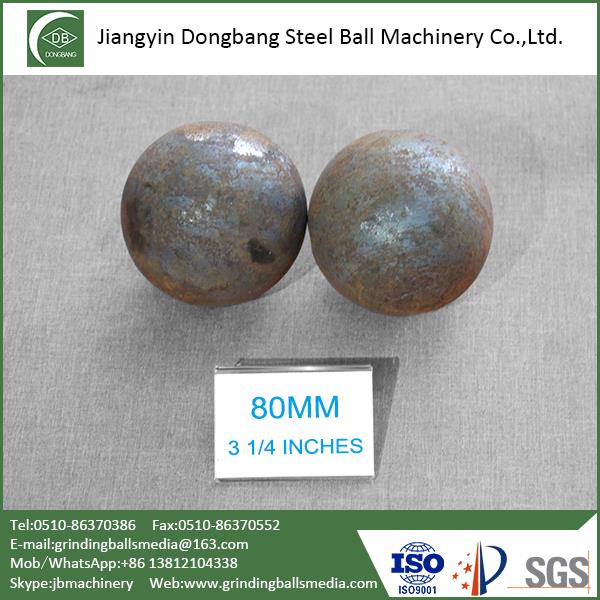
The quality and consistency of the media balls are essential for ensuring a reliable and efficient grinding process. Look for media balls that are manufactured using high - quality materials and advanced production techniques. Consistent ball size, shape, and hardness are also important to ensure a uniform grinding performance.

3. Cost - effectiveness
While quality is important, cost - effectiveness is also a key consideration. Compare the prices of different media balls and consider their performance and lifespan. In some cases, a higher - priced media ball may offer better performance and longer lifespan, resulting in lower overall costs in the long run. For example, 40mm Forged Steel Balls for Iron Ore Mine offer a good balance between performance and cost for iron ore grinding applications.
Monitoring and Maintaining Ball Mill Media Balls
To ensure the long - term performance of ball mill media balls in continuous grinding processes, regular monitoring and maintenance are required. Here are some tips:
1. Regular Inspection
Inspect the media balls regularly for signs of wear, damage, or corrosion. Replace any worn or damaged balls promptly to maintain the grinding efficiency.
2. Ball Addition
In continuous grinding, the media balls gradually wear down over time. Regularly add new media balls to maintain the optimal filling ratio and ensure consistent grinding performance.
3. Mill Lining Inspection
The mill lining also plays an important role in protecting the media balls and the mill itself. Inspect the mill lining regularly for wear and replace it when necessary.
Conclusion
Ball mill media balls are essential components in continuous grinding processes. Their performance is influenced by various factors, including material properties, ball size and shape, mill speed, and operating conditions. By understanding these factors and selecting the right media balls, you can optimize the grinding process, improve efficiency, and reduce costs.
As a leading supplier of ball mill media balls, we are committed to providing high - quality products that meet the diverse needs of our customers. Whether you are in the iron ore, silver ore, or other mineral processing industries, we have the right media balls for your application. If you are interested in learning more about our ball mill media balls or would like to discuss your specific requirements, please feel free to contact us for a detailed consultation and procurement negotiation.
References
- "Ball Mill Design and Operation" - SME Handbook of Mineral Processing
- "Grinding Media Selection and Optimization" - Journal of Mining and Metallurgy