

What is the lifespan of grinding media balls?
Jan 07, 2026
Hey there, folks! As a supplier of grinding media balls, I often get asked this question: "What is the lifespan of grinding media balls?" Well, let's dive right into this topic and break it down.
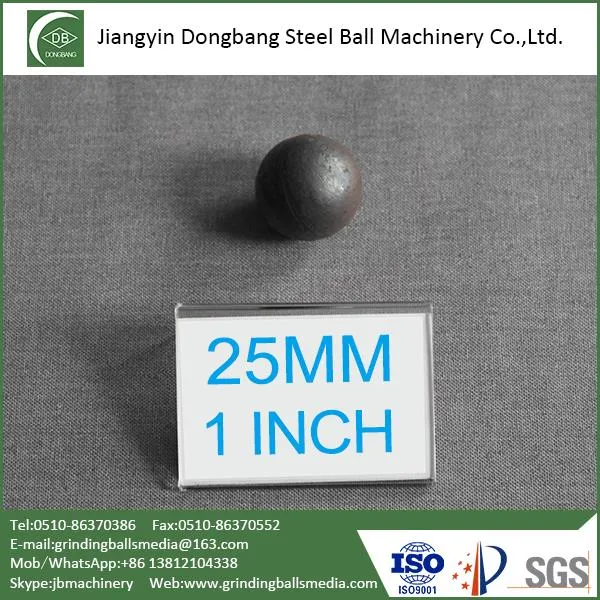

First things first, what are grinding media balls? They're basically small balls used in the process of grinding materials in mills. Whether it's for mining, cement production, or even in some chemical industries, these balls play a crucial role in reducing the size of the materials we're working with.
Now, let's talk about lifespan. The lifespan of grinding media balls isn't a one - size - fits - all kind of deal. It varies depending on several factors.
1. Material of the Balls
One of the biggest factors affecting the lifespan is the material of the grinding media balls. We've got different types out there, like steel balls, ceramic balls, and cast iron balls.
Steel balls are quite popular. They're tough, durable, and can handle a lot of wear and tear. For instance, those Steel Balls for Silver Ore Mine are made of high - quality steel that can withstand the harsh conditions in silver ore mining. The high carbon content in some steel balls makes them hard and resistant to abrasion. In a well - maintained mill with proper operating conditions, steel balls can last anywhere from a few weeks to several months.
Ceramic balls, on the other hand, are more brittle compared to steel. They're great for applications where you don't need a lot of impact resistance. In the right environment, like in some fine - powder grinding processes, ceramic balls can have a decent lifespan. However, they're more prone to cracking, especially if there's too much impact during the grinding process.
Cast iron balls are cheaper, but they're not as durable as steel balls. They don't have the same level of resistance to abrasion, so in a high - intensity grinding operation, their lifespan can be relatively short, maybe just a couple of weeks.
2. The Nature of the Material Being Ground
The type of material you're grinding is also a game - changer. If you're grinding a soft material like limestone, the grinding media balls won't face as much wear. The balls will mainly be used to break up the relatively easy - to - crush material, so they can last longer.
But if you're dealing with hard materials like iron ore, it's a whole different story. Iron ore is a tough nut to crack, and the grinding media balls have to work extra hard to break it down. For example, in 30mm Grinding Ball Production for Iron Ore Mine, the balls are constantly under high stress due to the hardness of the iron ore. In such cases, the lifespan of the balls can be significantly reduced, and they might need to be replaced more frequently.
3. Operating Conditions in the Mill
The way the mill is operated also has a huge impact on the lifespan of the grinding media balls. The speed of the mill is one important aspect. If the mill is running at a very high speed, the balls will experience more impact and abrasion. This can wear them down faster. On the other hand, if the speed is too low, the grinding efficiency will be poor, and the balls might not be used effectively.
The filling rate of the mill is another factor. If there are too many balls in the mill, it can lead to over - crowding. The balls will start hitting each other more often, which can cause unnecessary wear. And if there are too few balls, the grinding process won't be efficient, and the remaining balls will have to do more work, also reducing their lifespan.
4. Maintenance and Monitoring
Proper maintenance and monitoring of the mill and the grinding media balls are essential. Regularly checking the condition of the balls can help you catch any problems early. If you notice that the balls are starting to wear unevenly or show signs of cracking, you can take action before they completely fail.
Cleaning the mill regularly is also important. A dirty mill can cause additional wear on the balls due to the presence of grit and other contaminants. And making sure the lubrication in the mill is correct can also extend the lifespan of the balls.
Estimating the Lifespan
It's hard to give an exact number for the lifespan of grinding media balls, but here are some rough estimates.
In a small - scale industrial application where you're grinding a relatively soft material and the mill is well - maintained, the lifespan of steel balls could be around 3 - 6 months. In a large - scale mining operation dealing with hard ores like iron ore, the steel balls might last anywhere from 1 - 3 months.
Ceramic balls in a fine - grinding application with mild operating conditions could last 2 - 4 months. And cast iron balls, as I mentioned earlier, usually have the shortest lifespan, maybe 1 - 2 weeks in a high - wear environment.
Our Role as a Supplier
As a supplier of grinding media balls, we understand all these factors. We work closely with our customers to recommend the right type of balls for their specific applications. Whether you need Grinding Steel Balls for Silver Ore Mine or balls for a different industry, we've got you covered.
We also offer a range of ball sizes and materials to meet your unique needs. And if you have any questions about the lifespan of our products or how to make them last longer, our team of experts is always ready to help.
If you're in the market for grinding media balls, don't hesitate to reach out. We can provide you with samples, detailed specifications, and competitive pricing. We're committed to helping you find the perfect solution for your grinding needs and ensuring the long - term success of your operations. So, why wait? Let's start a conversation and see how we can work together to improve your grinding processes.
References
- A. K. Biswas and W. G. Davenport, "Extractive Metallurgy of Copper", Pergamon Press, 1980.
- C. O. Arey, "Mineral Processing Plant Design, Practice, and Control", Society for Mining, Metallurgy, and Exploration, 1998.
- P. A. Schulze, "Powder Sampling and Analysis - Principles and Practice", Wiley - VCH, 2009.