

How to select the right size of cheap grinding balls?
May 14, 2025
Selecting the right size of cheap grinding balls is a crucial decision for industries involved in mineral processing, cement production, and other grinding applications. As a reliable supplier of affordable grinding balls, we understand the significance of this choice and are here to guide you through the process. In this blog post, we'll explore the key factors to consider when choosing the appropriate size of grinding balls and how it can impact your operations.
Understanding the Basics of Grinding Balls
Grinding balls are essential components in ball mills, which are widely used for reducing the size of materials through impact and abrasion. The size of the grinding balls directly affects the grinding efficiency, product quality, and overall performance of the ball mill. Different applications require different ball sizes to achieve optimal results.
Factors Influencing the Selection of Grinding Ball Size
1. Material Characteristics
The properties of the material being ground play a significant role in determining the appropriate ball size. Harder materials typically require larger and heavier grinding balls to break them down effectively. For example, when processing high - hardness ores such as iron ore or quartz, larger diameter balls are often more suitable. On the other hand, softer materials can be ground with smaller balls, which can provide a more uniform grinding effect.
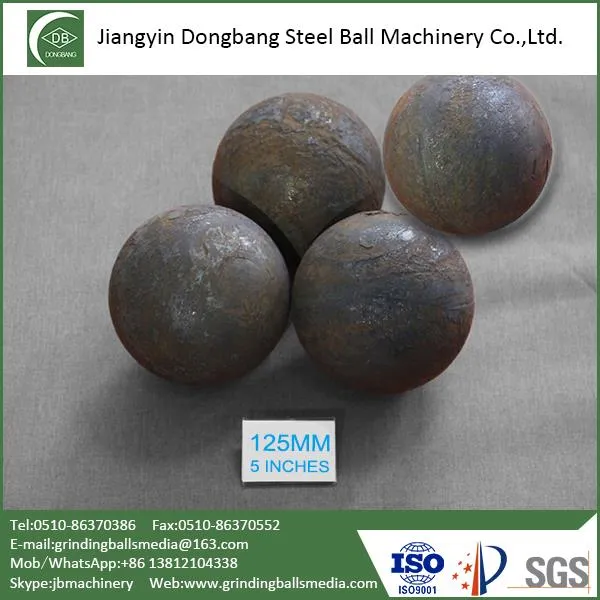
2. Mill Type and Size
The type and size of the ball mill also influence the choice of grinding ball size. Larger mills generally require larger grinding balls to ensure proper impact and grinding action. In a large - scale industrial ball mill, for instance, balls with diameters ranging from 50mm to 100mm might be used. Smaller mills, such as laboratory or pilot - scale mills, may work better with smaller balls, perhaps in the range of 10mm to 30mm.
3. Desired Product Size
The final particle size of the product is a critical factor. If you need a fine - grained product, smaller grinding balls are usually preferred. Smaller balls can provide more surface area for grinding and can achieve a more precise reduction in particle size. Conversely, if a coarser product is acceptable, larger balls can be used to increase the grinding speed.
4. Grinding Media Charge
The total amount of grinding media (grinding balls) in the mill, known as the grinding media charge, also affects the ball size selection. A higher media charge may require a mix of different ball sizes to ensure efficient grinding. For example, a combination of large balls for initial breakage and smaller balls for further refinement can be used to optimize the grinding process.
Calculating the Optimal Ball Size
There are several methods and formulas available to calculate the optimal ball size for a given grinding application. One commonly used formula is the Bond formula, which takes into account the feed size, the work index of the material, and the mill diameter. However, these calculations often need to be adjusted based on practical experience and the specific conditions of the grinding operation.

Benefits of Choosing the Right Size of Grinding Balls
1. Improved Grinding Efficiency
Using the correct ball size can significantly improve the grinding efficiency of the ball mill. Larger balls can break down large particles more effectively, while smaller balls can refine the particles to the desired size. This combination leads to a more efficient use of energy and reduces the overall grinding time.
2. Enhanced Product Quality
The right ball size ensures a more uniform particle size distribution in the final product. This is particularly important in industries such as ceramics and pharmaceuticals, where product quality is critical. A well - selected ball size can also reduce the amount of over - grinding and under - grinding, resulting in a higher - quality end product.

3. Reduced Operating Costs
Optimal ball size selection can lead to reduced operating costs. By improving the grinding efficiency, less energy is consumed, and the wear and tear on the mill and the grinding balls are minimized. This translates into lower maintenance costs and longer service life for the equipment.
Our Range of Cheap Grinding Balls
As a supplier of cheap grinding balls, we offer a wide range of sizes and materials to meet the diverse needs of our customers. Our Grinding Balls For Ball Mill are made from high - quality materials and are designed to provide long - lasting performance. We also have Media Balls for Silver Ore Mine Mineral Processing and 80mm Grinding Ball for Copper Ore Mine Mineral Processing, which are specifically tailored for the mining industry.
Tips for Selecting the Right Size
1. Consult with Experts
If you're unsure about the appropriate ball size for your application, don't hesitate to consult with our experts. We have years of experience in the grinding industry and can provide valuable advice based on your specific requirements.
2. Conduct Trials
Before making a large - scale purchase, it's a good idea to conduct small - scale trials with different ball sizes. This will allow you to evaluate the performance of each size and determine the most suitable option for your operation.
3. Consider the Cost - Benefit Ratio
While cost is an important factor, it's essential to consider the long - term benefits of using the right ball size. A slightly higher - priced ball that offers better performance and longer service life may actually result in lower overall costs in the long run.
Conclusion
Selecting the right size of cheap grinding balls is a complex but essential task. By considering factors such as material characteristics, mill type, desired product size, and grinding media charge, you can make an informed decision that will improve the efficiency and profitability of your grinding operations. As a trusted supplier of affordable grinding balls, we are committed to providing you with the best products and services. If you have any questions or need further assistance in choosing the right size of grinding balls, please feel free to contact us for a purchase negotiation. We look forward to working with you to meet your grinding needs.
References
- Bond, F. C. (1952). The third theory of comminution. Transactions of the American Institute of Mining, Metallurgical, and Petroleum Engineers, 193, 484 - 494.
- King, R. P. (2001). Modeling and simulation of mineral processing systems. Butterworth - Heinemann.
- Lynch, A. J., & Rowland, C. A. (2005). Mineral crushing and grinding circuits: their operation and optimization. Julius Kruttschnitt Mineral Research Centre.