

How does a gas heating furnace work?
Jun 20, 2025
As a seasoned supplier of gas heating furnaces, I've witnessed firsthand the critical role these systems play in maintaining comfortable and warm environments, especially during the cold months. In this blog, I'll take you through the inner workings of a gas heating furnace, shedding light on the technology that keeps homes and businesses cozy.
The Basics of a Gas Heating Furnace
A Gas Heating Furnace is a central heating system that uses natural gas or propane as its fuel source. The primary function of a gas furnace is to heat the air in a building and distribute it through a network of ducts. The basic components of a gas heating furnace include a burner, heat exchanger, blower motor, and a thermostat.
The Combustion Process
The heart of a gas heating furnace is the combustion process. When the thermostat senses that the temperature in the room has dropped below the set point, it sends a signal to the furnace to start. The first step in the process is the ignition of the gas. In modern gas furnaces, this is typically done electronically. A small amount of gas is released into the burner, and an electric spark ignites it, creating a flame.
The burner is designed to ensure that the gas burns efficiently and completely. It consists of a series of small holes or ports through which the gas flows. The flame is carefully controlled to maintain a stable and even burn. As the gas burns, it releases a large amount of heat energy.
Heat Exchange
Once the gas is burning, the heat energy needs to be transferred to the air that will be circulated throughout the building. This is where the heat exchanger comes in. The heat exchanger is a metal chamber that separates the combustion gases from the air being heated. As the hot combustion gases pass through the heat exchanger, they transfer their heat to the metal walls of the chamber.
The air from the building is then blown over the outside of the heat exchanger by the blower motor. As the air passes over the hot metal, it absorbs the heat and is warmed up. This warm air is then pushed through the ductwork and distributed to the various rooms in the building.

Ventilation
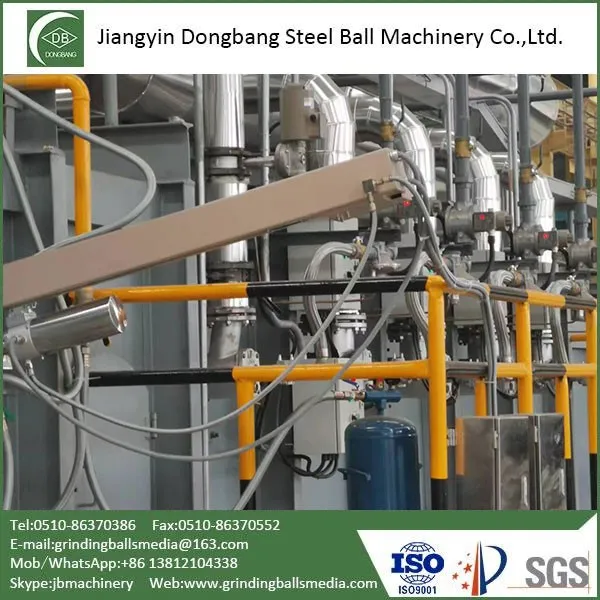
One of the most important aspects of a gas heating furnace is proper ventilation. The combustion process produces a number of byproducts, including carbon monoxide, a colorless and odorless gas that can be extremely dangerous if inhaled. To prevent the buildup of carbon monoxide and other harmful gases in the building, the combustion gases need to be safely vented outside.
In a gas furnace, the combustion gases are vented through a flue or chimney. The flue is a pipe that carries the gases from the heat exchanger to the outside of the building. It is designed to ensure that the gases are expelled safely and efficiently. In some cases, a power venter may be used to help draw the gases out of the furnace and up the flue.
Blower and Air Distribution
The blower motor is responsible for circulating the warm air throughout the building. It is typically located near the heat exchanger and is connected to the ductwork. When the thermostat signals the furnace to start, the blower motor also kicks in and begins to blow air over the heat exchanger.
The blower motor is designed to move a large volume of air at a relatively low pressure. This helps to ensure that the air is distributed evenly throughout the building. The ductwork is carefully designed to direct the air to the various rooms in the building. It may include registers, grilles, and dampers to control the flow of air and ensure that each room receives the right amount of heat.
Thermostat Control
The thermostat is the device that controls the operation of the gas heating furnace. It allows the user to set the desired temperature in the building. When the temperature drops below the set point, the thermostat sends a signal to the furnace to start. When the temperature reaches the set point, the thermostat sends a signal to the furnace to stop.
Modern thermostats are often programmable, allowing the user to set different temperatures for different times of the day. This can help to save energy and reduce heating costs. For example, you can set the temperature lower at night when you are sleeping and higher during the day when you are awake and active.
Types of Gas Heating Furnaces
There are several different types of gas heating furnaces available on the market, each with its own unique features and benefits.
Single-Stage Furnaces
Single-stage furnaces are the most basic type of gas heating furnace. They have a single setting for the burner, which means that they either run at full capacity or are turned off. When the thermostat signals the furnace to start, the burner ignites and runs at full power until the desired temperature is reached. Then, it shuts off.
Single-stage furnaces are relatively inexpensive to purchase and install, but they may not be the most energy-efficient option. Because they only run at full capacity, they can sometimes overheat a room and then shut off, leading to temperature fluctuations.
Two-Stage And Modulating Furnaces
Two-stage furnaces have two settings for the burner: a low setting and a high setting. When the temperature in the room drops, the furnace starts on the low setting. If the temperature continues to drop, the furnace will switch to the high setting. This allows the furnace to operate more efficiently, especially in milder weather conditions.
Modulating furnaces are even more advanced. They can adjust the burner output continuously to match the heating needs of the building. This results in a more consistent and comfortable temperature throughout the building, as well as improved energy efficiency.
Walking Beam Heating Furnace
In industrial applications, Walking Beam Heating Furnaces are commonly used. These furnaces are designed to heat large metal objects, such as steel billets or slabs. They use a walking beam mechanism to move the objects through the furnace.
The walking beam consists of a series of beams that are raised and lowered in a synchronized manner. The metal objects are placed on the beams, and as the beams move, the objects are slowly transported through the furnace. This allows for a more uniform heating of the objects.
Maintenance and Safety
To ensure that a gas heating furnace operates safely and efficiently, regular maintenance is essential. This includes cleaning the burner, inspecting the heat exchanger for cracks or leaks, and checking the ventilation system. It is also important to have the furnace serviced by a qualified technician at least once a year.
In addition to regular maintenance, there are several safety features built into gas heating furnaces. For example, most furnaces have a flame sensor that monitors the flame in the burner. If the flame goes out, the sensor will detect it and shut off the gas supply to prevent the buildup of unburned gas.
Conclusion
Understanding how a gas heating furnace works is essential for anyone who wants to ensure a comfortable and safe indoor environment. Whether you are a homeowner or a business owner, having a reliable and efficient gas heating system is crucial.
As a supplier of gas heating furnaces, we are committed to providing high-quality products and excellent customer service. If you are in the market for a new gas heating furnace or need maintenance or repair services, we would be happy to help. Contact us today to discuss your heating needs and find the perfect solution for your home or business.
References
- "Gas Furnace Basics." Energy.gov.
- "How a Gas Furnace Works." Family Handyman.
- "Gas Furnace Safety and Maintenance." Consumer Reports.